In practice, digital transformation in manufacturing environments rarely fails due to a lack of technology. Instead, it fails because there is no end-to-end integration. Information from factory planning, operations, and maintenance is stored in different systems, each with its own structure and level of data freshness. At the same time, decisions must be made quickly, often based on incomplete or outdated information. This leads to uncertainty: Which data can be trusted? Which model truly reflects reality?
Where does your organization stand today? Which technologies are truly relevant? And how can you take the next step in digitalization without getting lost in oversized visions or complex transformation programs?
The latest Industrial Metaverse whitepaper makes one thing clear: the greatest leverage does not come from futuristic scenarios, but from a structured, pragmatic entry built on existing data, systems, and processes. This approach already allows companies to generate measurable value today—by increasing transparency, improving decision-making, and reducing risks related to investments and production changes.
Why the Industrial Metaverse Is Relevant Now?
Industrial companies operate in an environment that is increasingly fast-paced, data-driven, and globally connected. Yet many organizations still rely on isolated Excel files, legacy IT landscapes, and processes that don’t communicate with each other.
Does this sound familiar?
The Industrial Metaverse offers a pragmatic solution:
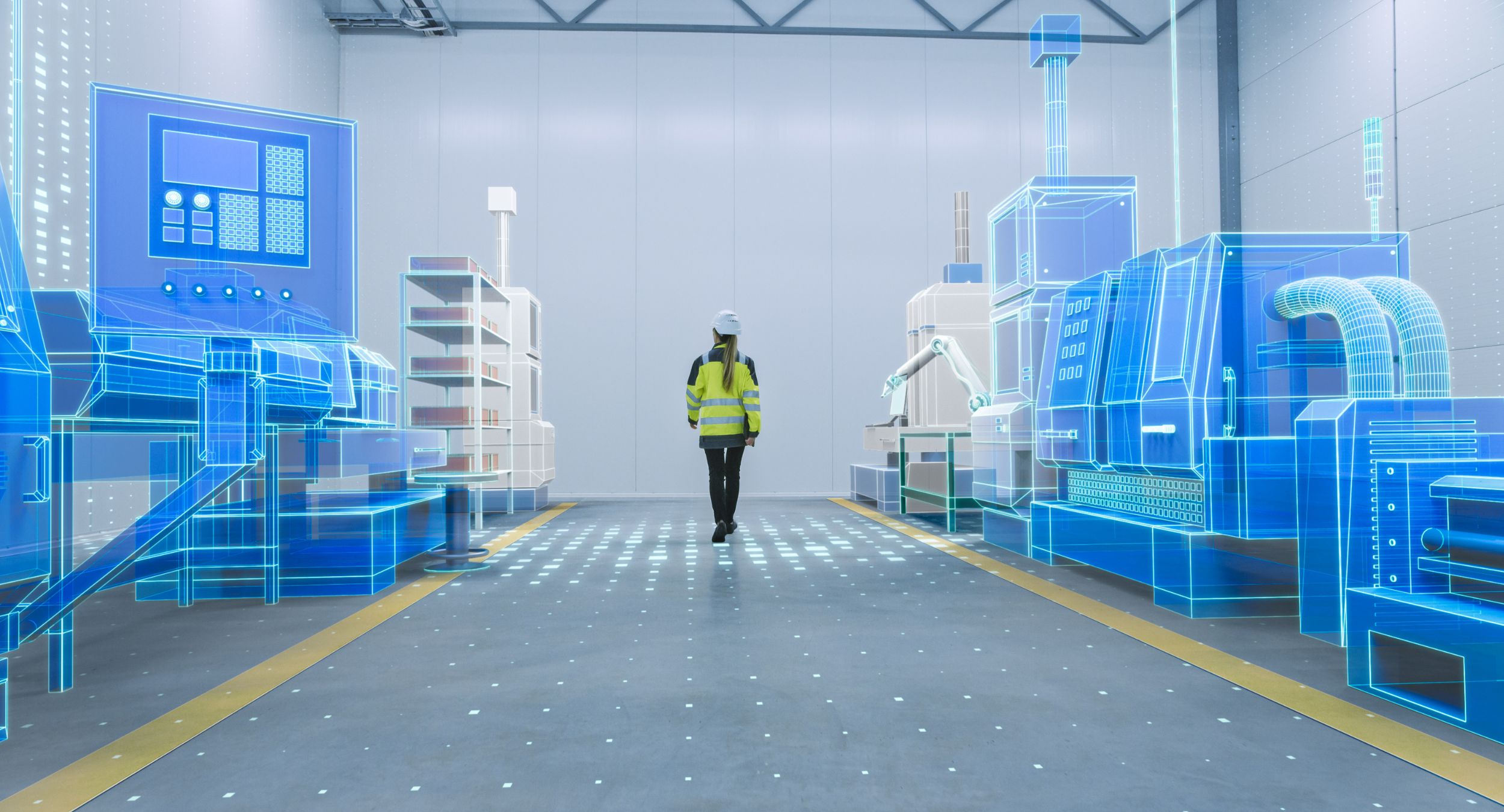
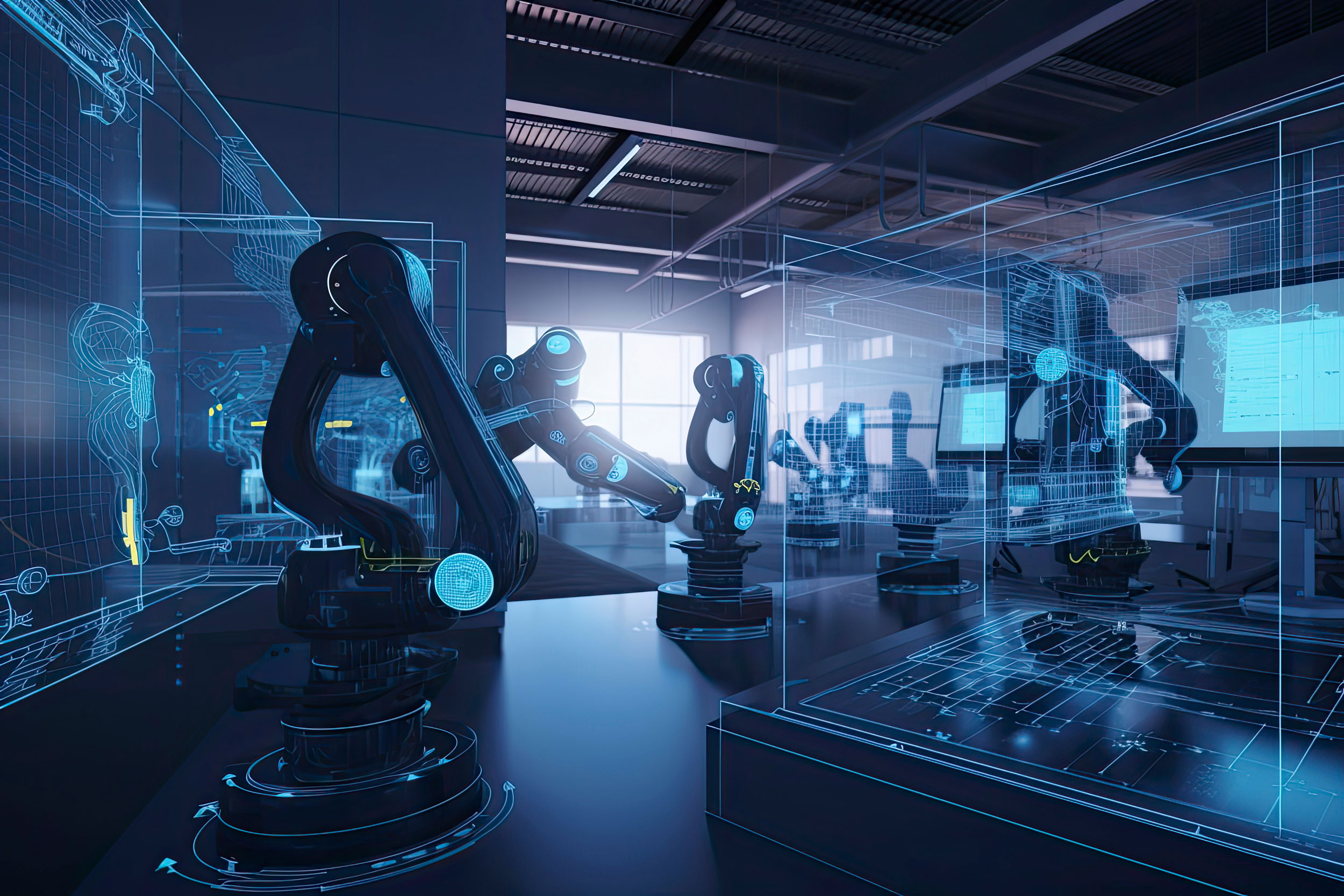
Physical factories are digitally planned and mirrored in real-time operations. Data is consolidated, and information is made actionable—enabling faster, more accurate, and more transparent decision-making.
How Does Your Company Benefit from the Industrial Metaverse?
Higher-quality decision-making using Digital Twins and real-time data
Faster planning processes as teams collaborate in shared models
Reduced downtime and fewer errors through earlier issue detection
This is where the Industrial Metaverse delivers tangible value: as a strategic tool to manage complexity, implement changes with confidence, and drive transformation in a focused, targeted way. Rather than replacing existing systems, companies build on their current data and processes—laying a step-by-step foundation for greater efficiency, better decision-making, and long-term competitiveness.
The First Step: Organize Data and Create Transparency
Starting with new technology can be overwhelming. With so many details to consider, it’s easy to set the wrong priorities. This can prevent expected results from being achieved and cause innovation initiatives to lose momentum. The key is to focus on what matters most—and work not just efficiently, but effectively.
How do you get started? Key questions include:
- Which systems are already in place, and how do they interact?
- Where is operational, asset, and process information stored?
- What is the current level of data quality?
Once these questions are clarified, the next step is to define use cases and pilot them in a targeted manner.
The whitepaper provides practical examples that clearly and realistically demonstrate how to get started in a value-driven and manageable way.
Three Use Cases That Deliver Immediate Value
1. Digital Factory Model

2. Material Flow Simulation

3. Live Monitoring of Individual Assets

What’s Holding Companies Back—and How to Overcome Barriers
Many of the challenges associated with getting started in the Industrial Metaverse are not technical, but organizational:
- Siloed data
- Complex IT/OT landscapes
- Cultural resistance
- Lack of clear ownership
The whitepaper shows how companies can address these barriers strategically and in a controlled way. Key prerequisites include clear governance structures, targeted pilot projects with measurable results, and the gradual development of an interoperable ecosystem. This approach reduces risks early on, supports more informed investment decisions, and builds confidence in both the organization and the overall transformation journey.
Now Is the Right Time to Start Small
The Industrial Metaverse is not a one-time, all-encompassing initiative. It is a journey that begins with small, practical steps and quickly delivers tangible value.
Companies that start today gain a strategic advantage:
They make better decisions, collaborate more effectively across departments, and lay the foundation for long-term competitiveness.
The greatest mistake is to wait—because the cost of catching up increases each year.